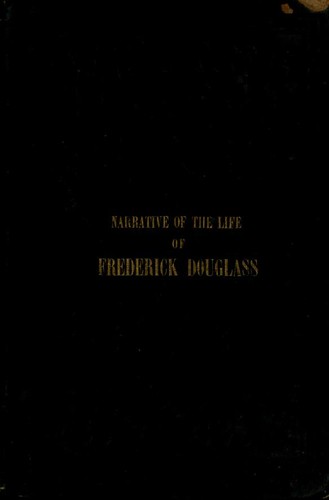
Narrative of the Life of Frederick Douglass
Frederick Douglass (1845)
“The man who escaped slavery and became America's most powerful orator — written in the language of his enslavers, wielded like a weapon.”
At a Glance
Frederick Douglass, born into slavery on a Maryland plantation, is separated from his mother as an infant, witnesses brutal violence, and is denied education as a matter of policy. When a mistress begins teaching him to read, her husband forbids it — and Douglass understands: literacy is the road to freedom. He secretly teaches himself, escapes to the North in 1838, and becomes the most famous abolitionist speaker in America. This book is his evidence — and his act of war.
Read full summary →Why This Book Matters
The Narrative sold 5,000 copies in the first four months and 30,000 copies in five years — extraordinary for 1845. It was translated into French and Dutch. It provided the abolitionist movement with what it most needed: a first-person account, from an identifiable person with verifiable details, of the daily reality of slavery. It is the most widely read of all the hundreds of slave narratives produced in 19th-century America, and it remains the defining document of the genre.
Diction Profile
Highly formal — elevated Latinate vocabulary, complex syntax, classical rhetorical structures. Douglass writes better than most of his white contemporaries and knew it.
High but purposeful