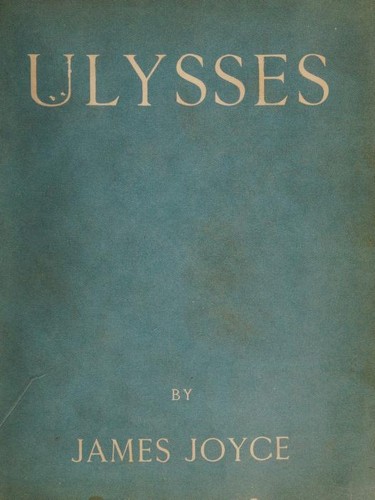
At a Glance
On June 16, 1904, in Dublin, Leopold Bloom — a middle-aged Jewish advertising canvasser — spends an ordinary day navigating the city, grieving his dead son, and avoiding the fact that his wife Molly is about to sleep with her tour manager. Simultaneously, young Stephen Dedalus wanders Dublin wrestling with guilt over his mother's death and his artistic ambitions. Their paths cross briefly at night, and the novel ends with Molly Bloom's unpunctuated 'yes'-ending monologue. Every episode mirrors one from Homer's Odyssey. Almost nothing happens. Everything happens.
Read full summary →Why This Book Matters
Ulysses is the novel that redefined what a novel could be. Its initial publication as a complete book in Paris in 1922 was simultaneously a literary event and an obscenity case. It was banned in the United States until a landmark 1933 court decision (United States v. One Book Called Ulysses) that essentially established that literary merit could override obscenity law. The ruling changed American publishing. The novel itself changed everything about how fiction could handle interiority, time, language, and the mundane.
Diction Profile
Impossible to assign a single register — each episode deploys a different formal system, from colloquial stream of consciousness to academic catechism to unpunctuated monologue
Variable by episode. Metaphor density is highest in the Telemachiad (Stephen's poetic mind) and lowest in Ithaca (the catechism deliberately refuses metaphor). Joyce's most characteristic figure is the unexpected compound noun