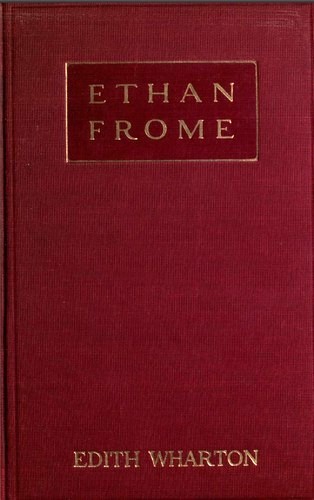
Ethan Frome
Edith Wharton (1911)
“A tale of desire buried under ice and duty — written by a woman trapped in her own marriage, about a man who couldn't escape his.”
Why This Book Matters
Ethan Frome has been continuously in print since 1911 and is one of the most taught American novels at the high school and college level. Initially controversial for its unflinching portrait of marital misery and failed suicide, it is now recognized as one of the defining texts of American literary realism and one of Wharton's finest formal achievements. Its brevity — under 200 pages — made it accessible as a classroom text; its depth rewards advanced study.
Firsts & Innovations
One of the earliest American novels to treat rural poverty with the same analytical attention previously given to upper-class society
Among the first major works to use a sophisticated frame narrative to create dramatic irony — the reader knows the outcome before the story begins
Pioneered the use of landscape as moral and psychological character — the New England winter as active agent, not backdrop
Cultural Impact
Taught in virtually every American high school — alongside The Great Gatsby and Of Mice and Men as a standard short-novel assignment
Established Wharton's reputation as not merely a society novelist but a writer of universal human entrapment
Frequently adapted for stage and screen; most notable film adaptation stars Liam Neeson (1993)
The 'Starkfield winter' entered critical vocabulary as shorthand for life-defining limitation and suppressed potential
Wharton's portrayal of Zeena is often cited in feminist literary criticism as a pioneering study of how patriarchal social structures produce the 'invalid woman'
Banned & Challenged
Challenged periodically for its treatment of suicide and implied sexual desire. Some early critics objected to the novel's portrayal of marriage and found its bleak determinism un-American — a charge Wharton would have found both predictable and amusing.