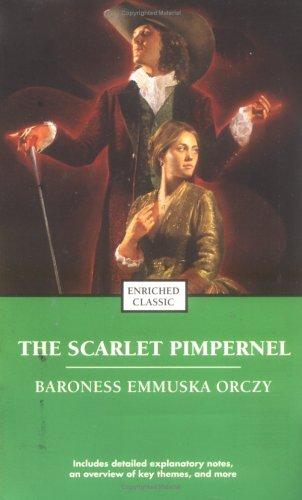
The Scarlet Pimpernel
Baroness Orczy (1905)
“The first superhero story — a bored English aristocrat puts on a disguise and humiliates the Reign of Terror, one rescued aristocrat at a time.”
Why This Book Matters
The Scarlet Pimpernel is the direct ancestor of the modern superhero: a rich man adopts a false identity to fight injustice, hiding his heroism behind a performance of weakness or foolishness. Batman, Superman's Clark Kent, Zorro, The Shadow — all inherit Percy Blakeney's double identity structure. The novel established every element of the template: the alias, the signature, the loyal associates, the brilliant nemesis, and the love interest who must be protected from the hero's secret life.
Firsts & Innovations
First modern masked-hero narrative — established the double-identity superhero template
First action hero defined by wit and disguise rather than physical force
One of the first mass-market adventure novels to center on a competent, active female co-protagonist
Originated the 'foolish rich man as secret hero' trope used in Batman, Zorro, and countless successors
Cultural Impact
The character inspired Zorro (1919), Batman (1939), and the broader superhero tradition
The rhyme 'We seek him here, we seek him there' became common English cultural currency
Adapted for stage, film, television, and radio dozens of times across the 20th century
The 1982 musical starring Anthony Andrews and Jane Seymour reached international audiences
The 1997 musical with Douglas Sills ran on Broadway
The character's double identity became the foundational trope of 20th-century superhero comics
Banned & Challenged
Not widely banned, though occasionally challenged in school curricula for its unambiguous glorification of aristocracy and its presentation of the French Revolution purely as atrocity. The novel has also been criticized for its antisemitic depictions of the Jewish merchant disguise Percy adopts, which reflects the casual prejudices of its era.