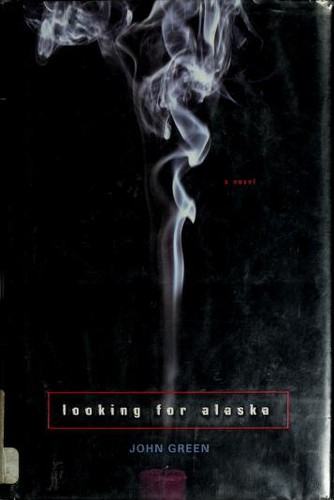
Looking for Alaska
John Green (2005)
“A boy obsessed with famous last words falls in love with a girl who is looking for the way out of the labyrinth — and doesn't survive to find it.”
Why This Book Matters
Looking for Alaska is widely credited as one of the novels that elevated young adult fiction to a literary genre rather than a commercial category. Its willingness to leave central questions unresolved, its genuine philosophical engagement, and its refusal to protect teenage readers from difficult emotional reality set a new standard for what YA could attempt. It has been continuously in print since 2005 and has sold over six million copies. Its influence on subsequent YA literary fiction — from Green's own later work to writers like Rainbow Rowell and Jandy Nelson — is direct.
Firsts & Innovations
One of the first YA novels to use structural device (countdown/count-up) as philosophical argument rather than mere suspense mechanism
Among the first YA novels to refuse resolution on a central question of character motivation — Alaska's death is never definitively explained
Demonstrated that teenage readers would engage seriously with philosophy, religion, and questions of meaning when embedded in authentic emotional experience
Cultural Impact
Won the Printz Award in 2006, establishing Green as a major figure in literary YA
Consistently one of the most challenged and banned books in American schools — appears on ALA's most-banned list multiple years
Adapted as a Hulu limited series in 2019
Widely credited with helping inspire the early-2010s golden age of literary YA
The labyrinth metaphor and the countdown/count-up structure are now widely taught as examples of form serving theme in YA narrative
Banned & Challenged
Among the most frequently challenged books in American schools. Primary objections: sexual content (Miles and Alaska's physical relationship), language, and concerns that the novel 'promotes' suicide or drug/alcohol use. Counter-argument: the novel is precisely about the consequences of reckless choices and is one of the most honest YA treatments of grief and the aftermath of loss available to young readers.