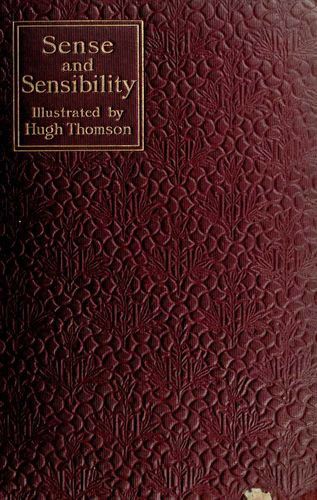
Sense and Sensibility
Jane Austen (1811)
“Two sisters, one heart of sense, one of sensibility — and Austen wants you to question which is worse.”
Why This Book Matters
Sense and Sensibility was Austen's first published novel, though not her first written. It appeared anonymously in 1811 and sold out its first edition of 750 copies within fourteen months, earning Austen £140. It established the terms of what would become 'the Austen novel' — ironic narrator, social satire, romantic plot as vehicle for moral inquiry. It is now recognized as a foundational text of the English novel and the first major work to treat female interiority as a subject worthy of serious literary analysis.
Firsts & Innovations
First of Austen's six novels to be published — the novel that made the form of 'the Austen novel' possible
Among the earliest sustained uses of free indirect discourse in English fiction, allowing the narrator to inhabit a character's consciousness without abandoning ironic distance
First major English novel to center the economic condition of middle-class women as a structural rather than incidental concern
Cultural Impact
The title gave English a shorthand for the opposition between reason and feeling — 'sense and sensibility' entered common usage
Elinor Dashwood established the 'competent, emotionally intelligent woman who conceals her feelings' archetype that recurs through English literature to Elizabeth Bennet, Jane Eyre, Harriet Vane
Adapted for BBC miniseries (1971, 1981, 1985, 2008) and the celebrated Emma Thompson film (1995, Academy Award for Best Adapted Screenplay)
Ang Lee's 1995 film introduced Austen to a generation of new readers and is widely credited with the 'Austen revival' of the 1990s
The novel's feminist undertones — its anger at female economic dependence — were rediscovered by critics in the 1970s and are now central to its academic reception
Banned & Challenged
Not systematically banned, but long dismissed as 'mere domestic comedy' by male critics who read it as a marriage plot rather than an economic critique. Virginia Woolf helped rescue Austen's reputation in the 20th century, and feminist criticism since the 1970s has established that the dismissal was itself a form of censorship.