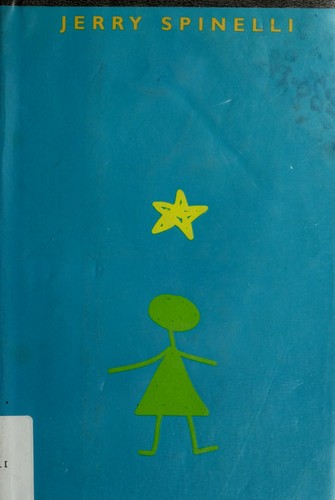
Stargirl
Jerry Spinelli (2000)
“A girl who plays ukulele for strangers, carries a pet rat, and cheers for both teams — until Mica High decides she's too different to forgive.”
Why This Book Matters
Stargirl became one of the defining novels of early-2000s middle-grade and YA literature, consistently appearing on school reading lists across the United States. Its directness about the cruelty of conformity, and its refusal to give Leo a redemption arc he didn't earn, made it unusual among novels for its age group. The sequel, Love, Stargirl (2007), was published by demand — readers wanted more of Stargirl's voice. A Disney+ film adaptation was released in 2020.
Firsts & Innovations
One of the first widely-taught YA novels in which the narrator unambiguously fails the protagonist and is not redeemed
Early example of a YA novel centered on social conformity as the primary antagonist rather than a person or external threat
Popularized the 'enchanted outsider' archetype in contemporary middle-grade fiction
Cultural Impact
Spawned a sequel (Love, Stargirl, 2007) narrated by Stargirl herself
Adapted into a Disney+ film in 2020 starring Grace VanderWaal
Regularly assigned in 6th-8th grade English classes across the US
The name 'Stargirl' entered cultural vocabulary as shorthand for radical, unconditional authenticity
Frequently cited in discussions of social conformity, school culture, and the psychology of belonging
Banned & Challenged
Occasionally challenged in school libraries for portraying nonconformity in a positive light and depicting school social culture critically. Some challenges from parents who felt the novel presented peer disapproval as acceptable or that Leo's failure was not properly resolved with redemption.