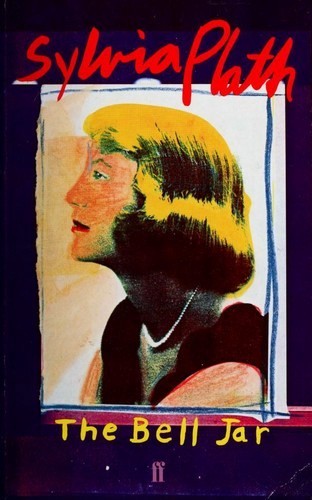
The Bell Jar
Sylvia Plath (1963)
“A brilliant young woman suffocates under the bell jar of 1950s America — and Sylvia Plath wrote every word from the inside.”
The Bell Jar— Literary & Historical Significance
Why This Book Matters
Published in January 1963 in England under the pseudonym Victoria Lucas, then republished under Plath's name in 1966 after her death. Initially dismissed in America as too autobiographical, too depressing, too 'female' a subject. By the 1970s it had become a touchstone for second-wave feminism. Now assigned in AP English, college courses, and mental health curricula worldwide. Sells hundreds of thousands of copies annually fifty years after publication.
Firsts & Innovations
One of the first major American novels to depict clinical depression from the inside without either romanticizing it or presenting it as moral failure
Among the first works of fiction to present psychiatric treatment — specifically ECT — as a political rather than purely medical act
A founding text of confessional literature's transition into novel form — Plath doing in prose what she was doing in Ariel in poetry
Cultural Impact
The bell jar entered common language as a metaphor for psychological isolation and sealed depression
Standard text in courses on women's literature, mental health and literature, and confessional writing
Credited by countless readers with making them feel less alone in their own mental illness experiences — its cultural function is partly therapeutic
The debate about how to teach it — how much biographical context, whether trigger warnings serve or undermine — is itself a recurring cultural conversation
Sylvia Plath's life and death have generated their own industry of biography, documentary, and cultural commentary that sometimes overshadows the novel itself
Banned & Challenged
Challenged and banned in numerous school districts for its frank depiction of suicide, attempted suicide, sexual content, and its 'immoral' worldview. Also challenged for 'offensive language' and its critical treatment of gender roles. Ironically, its continued appearance on banned book lists keeps it continuously in circulation.