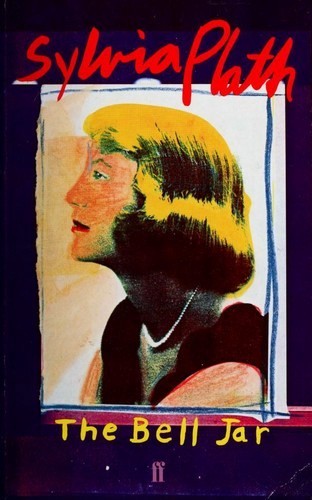
The Bell Jar
Sylvia Plath (1963)
“A brilliant young woman suffocates under the bell jar of 1950s America — and Sylvia Plath wrote every word from the inside.”
The Bell Jar— Summary & Analysis
by Sylvia Plath · published 1963 · 244 pages · Contemporary / Confessional
A user-friendly study guide for The Bell Jar by Sylvia Plath (1963): a high-level plot summary, full chapter-by-chapter analysis, theme breakdowns, character profiles, and 30 essay questions designed for ap-english, college readers. Unlike a stock summary, sumsumsum.com adds a diction analysis drawn from Sylvia Plath’s actual text, the 8 documented AP Literature exam appearances of this book, and reading-difficulty guidance (Easy, 3/10) so students, teachers, and lifelong readers know what they are walking into.
“A brilliant young woman suffocates under the bell jar of 1950s America — and Sylvia Plath wrote every word from the inside.”
Short Summary
Esther Greenwood, a gifted college student from Boston, wins a prestigious internship at a New York fashion magazine in the summer of 1953. Beneath her polished surface, she is paralyzed by the gap between what society expects of her and what she actually wants. When the internship ends and she is rejected from a writing program, she spirals into a severe depression, attempts suicide, and is institutionalized. The novel follows her breakdown and her tentative, ambivalent recovery — not a triumphant cure but a fragile return to the world, with no guarantee the bell jar won't descend again.
Detailed Summary
The Bell Jar opens in the summer of 1953 as Esther Greenwood arrives in New York City having won a guest editorship at the fictional Ladies' Day magazine. She is twenty years old, from Wellesley, Massachusetts, and has achieved everything a girl of her era is supposed to achieve: scholarships, prize...
Summary in the Author’s Writing Style
A retelling of The Bell Jar in Sylvia Plath’s style — so you can hear the language, not just the plot. This is a stylistic pastiche written by sumsumsum, not an excerpt from the book.
It was a queer, airless summer, the summer they sent me to New York to be made into something, and I rode the train down from Massachusetts with my scholarships and my prizes and my straight A's folded up small inside me like a clean handkerchief I had no occasion to use. I was twenty. I had done ev…
Chapter-by-Chapter Analysis
If you liked The Bell Jar, read next
Start with Mrs. Dalloway by Virginia Woolf — Woolf's Septimus is the depressed double of Clarissa's social performance — the same split between surface and interior, forty years earlier and in the shadow of WWI. Or pivot to The Awakening by Kate Chopin — Another brilliant woman suffocating under the expectations of her era — Edna Pontellier's 'awakening' costs her everything, just as Esther's clarity costs her everything.
For comparative essays, pair The Bell Jar with
The strongest comparative pairing is The Catcher in the Rye (J.D. Salinger) — Another brilliant, alienated young narrator performing normalcy in the 1950s — but Esther's version of this crisis is gendered in ways Holden's cannot be. Another productive pairing is One Flew Over the Cuckoo's Nest (Ken Kesey) — Both set in psychiatric institutions; both critique institutional power. But where McMurphy fights the institution as outsider, Esther is defined by it as patient. For a third angle, contrast with Speak (Laurie Halse Anderson) — A YA novel that does for trauma what The Bell Jar does for depression — a young woman's first-person account of breakdown and tentative recovery, with the sardonic wit of someone who sees too clearly.
Each of these pairings opens a clean thesis path on shared themes, period diction, or formal influence — useful for AP Lit / IB / first-year college comparative essays.
More from Sylvia Plath and the scholars who study Plath
The standard scholarly entry points to Sylvia Plath’s work: Heather Clark (Marist College, Plath biographer) — Red Comet: The Short Life and Blazing Art of Sylvia Plath (2020, Pulitzer finalist); Andrew Wilson (British biographer) — Mad Girl's Love Song: Sylvia Plath and Life Before Ted (2013). These are the works graduate seminars cite when teaching Sylvia Plath.