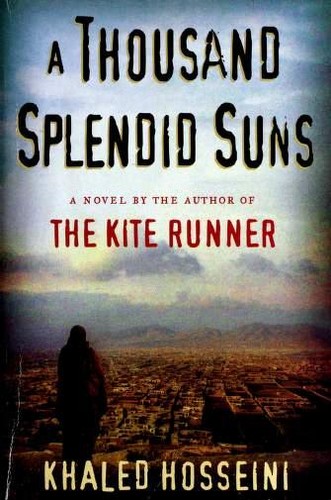
A Thousand Splendid Suns
Khaled Hosseini (2007)
“Two women in Kabul — born a generation apart, brought together by a cruel man, bound by a love that becomes the most radical act of resistance either can imagine.”
Why This Book Matters
A Thousand Splendid Suns debuted at number one on the New York Times bestseller list and remained on it for over a year. It sold over four million copies in the first year and has since become one of the bestselling novels of the 21st century. It arrived at a moment — 2007, during the US occupation of Afghanistan — when most Americans had never read a story set in Afghanistan from an Afghan perspective, and it introduced Afghan interiority to a mass audience.
Firsts & Innovations
One of the first bestselling novels to center Afghan women's experience across five decades of political upheaval
Brought the specific mechanics of Taliban gender policy to mass popular awareness
Demonstrated that literary fiction with a female Afghan protagonist could reach the same commercial audience as Hosseini's male-centered debut
Cultural Impact
Taught in high schools and colleges as a text for studying gender, war, and contemporary history
Contributed significantly to Western awareness of Afghan civilian life during the US occupation
Stage adaptations produced in the US, UK, and Canada
The Khaled Hosseini Foundation built schools partly inspired by the orphanage in the novel
Banned & Challenged
Challenged and removed from some school curricula for depictions of domestic violence, sexual content, and the Taliban's gender policy. Several challenges framed the book as politically biased against Islam — a misreading that conflates Taliban extremism with Islam as a whole, which the novel itself carefully distinguishes.