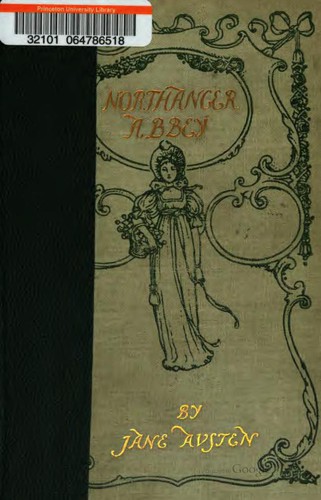
Northanger Abbey
Jane Austen (1817)
“A young woman raised on Gothic novels arrives at a real abbey and discovers that real life is far more dangerous — and far more ordinary — than fiction.”
At a Glance
Naive Catherine Morland, a clergyman's daughter who devours Gothic novels, visits Bath and befriends the charming but manipulative Thorpe siblings and the witty Tilneys. Invited to the ancient Northanger Abbey by the Tilneys, her Gothic-soaked imagination conjures murder plots and sinister secrets that do not exist. She is humiliated, corrected, and eventually educated by experience — and by the love of Henry Tilney. The novel is both a coming-of-age story and a pointed satire of the Gothic genre, the novel-reading panic of the 1790s, and the social machinery that shapes women's lives.
Read full summary →Why This Book Matters
Written in the 1790s but published posthumously in 1817 alongside Persuasion, Northanger Abbey is both Austen's first major novel and a work that contains the seeds of all her mature concerns. It is the only Austen novel that directly addresses the act of novel-reading, making it uniquely valuable to students of the novel as a form.