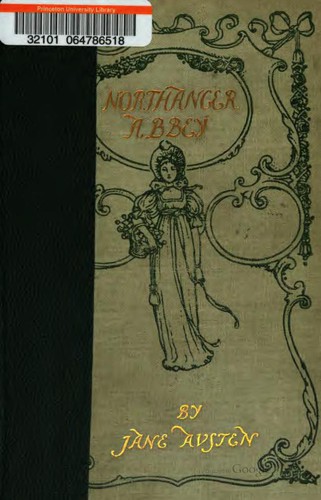
Northanger Abbey
Jane Austen (1817)
“A young woman raised on Gothic novels arrives at a real abbey and discovers that real life is far more dangerous — and far more ordinary — than fiction.”
For Students
Because Northanger Abbey teaches you how to read novels by being a novel about reading novels. Every technique Austen uses — irony, free indirect discourse, the gap between what characters say and what they mean — is also the novel's subject. Read it once and laugh; read it twice and see the machinery. It is also the shortest Austen, and the funniest.
For Teachers
The defense of novel-reading in Chapter 5 is one of the best primary texts for a unit on what literature is for. The Gothic parody gives students a clear satirical target and a way to practice the skill of recognizing when a text is commenting on its own genre. Henry Tilney is among the best-written examples of free indirect discourse in English, making the novel useful for teaching narrative technique.
Why It Still Matters
Social media is Northanger Abbey: we are all running Gothic narratives in our heads about people we barely know, reading signs and symbols that may not mean what we think, letting fiction teach us to misread reality. Catherine's mortification when she discovers she has invented a murder mystery in an ordinary house is the mortification of anyone who has built a story around someone and been wrong.