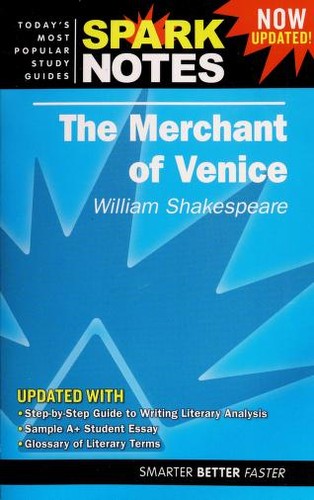
The Merchant of Venice
William Shakespeare (1600)
“A pound of flesh, a courtroom disguise, and the question Western literature still cannot answer: is Shylock a villain or a victim?”
At a Glance
Bassanio borrows money from Antonio, who borrows from the Jewish moneylender Shylock, pledging a pound of his own flesh as collateral. Bassanio wins the hand of Portia through the casket test. Antonio's ships are lost; Shylock demands his bond. Portia disguises herself as a lawyer and defeats Shylock in court by turning the law's letter against him. Shylock is stripped of his wealth and forced to convert to Christianity. The lovers celebrate at Belmont. The comedy ends. The audience is not sure it should be smiling.
Read full summary →Why This Book Matters
The Merchant of Venice is one of the most contested works in Western literature because it centers on a Jewish character whose treatment raises questions the play refuses to answer definitively. It has been used both to promote antisemitism (Nazi Germany staged it as propaganda) and to critique it (productions that center Shylock's humanity). The play invented some of English literature's most famous phrases — 'pound of flesh,' 'all that glisters is not gold,' 'the quality of mercy' — and remains a live cultural flashpoint whenever questions of justice, mercy, and religious discrimination arise.
Diction Profile
Elizabethan blank verse for nobility and courtroom rhetoric; prose for servants and comic scenes; Shylock code-switches between legalistic precision and raw emotional outcry
High