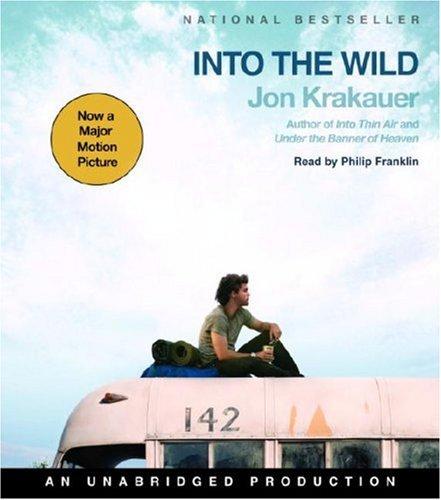
Into the Wild
Jon Krakauer (1996)
“A young man walked away from everything America told him to want — and died for it. Jon Krakauer can't stop thinking about why.”
Why This Book Matters
Into the Wild spent two years on the New York Times bestseller list after publication and has never gone out of print. It transformed a coroner's report into one of the most debated questions in American culture: was McCandless a hero or a fool? The debate — conducted in classrooms, online, and in the letters Krakauer still receives — has not resolved. That unresolvability is the book's gift.
Firsts & Innovations
One of the first works of literary journalism to take wilderness idealism seriously as philosophy rather than pathology
Established the template for the 'misfit-in-nature' nonfiction genre that followed (Wild, A Walk in the Woods)
Pioneered the open insertion of the author's personal biography into a profile — making subjectivity a structural feature rather than a flaw to conceal
Cultural Impact
Sean Penn's 2007 film adaptation brought McCandless to a new generation
Bus 142 became a pilgrimage site — dozens of hikers attempted the Stampede Trail annually, several dying in similar circumstances
The bus was airlifted out of the wilderness in 2020 after rescue operations became a burden on Alaskan emergency services
McCandless's final self-portrait became one of the most reproduced photographs in American adventuring culture
The book created the phrase 'going into the wild' as cultural shorthand for rejecting conventional life
Required reading in high schools across the country — often paired with Thoreau's Walden and London's Call of the Wild
Banned & Challenged
Challenged in some school districts for allegedly romanticizing dangerous behavior and encouraging young people to leave home. The irony — that the book's actual argument is considerably more ambivalent than 'leave home and die beautifully' — is lost on most challengers.