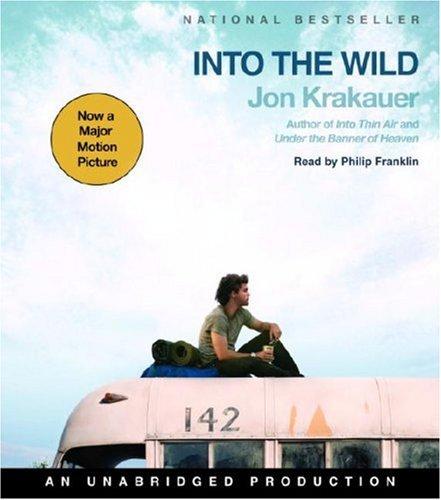
Into the Wild
Jon Krakauer (1996)
“A young man walked away from everything America told him to want — and died for it. Jon Krakauer can't stop thinking about why.”
For Students
Because the question the book asks — what is a life well-lived, and how much risk does the answer permit? — is the question you will be answering for the next twenty years. McCandless got it wrong in the specific but may have gotten it right in the large. Krakauer doesn't let you have a simple verdict. Neither should you.
For Teachers
The non-chronological structure is a masterclass in narrative architecture. The dual-register prose — Krakauer's journalistic clarity against McCandless's literary romanticism — gives students two models of writing to analyze in the same text. The book is also one of the rare nonfiction works that raises genuine ethical questions about the author's own reliability.
Why It Still Matters
Every generation produces McCandlesses — people who look at the life their culture has prepared for them and walk away from it. The form changes (van life, digital nomadism, 'quiet quitting') but the impulse is constant. Into the Wild is the most serious book ever written about that impulse, by someone who shared it and survived.