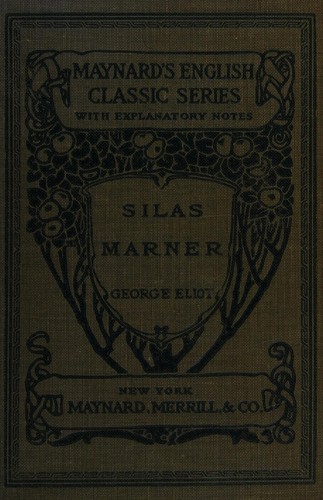
Silas Marner
George Eliot (Mary Ann Evans) (1861)
“A miser's stolen gold is replaced by a golden-haired orphan, and a community becomes the instrument of moral reckoning.”
For Students
Because it asks the question that matters most: what makes a family? Silas Marner strips that question to its essentials — a man with nothing, a child with no one, and a community that slowly decides to care. At 224 pages, it's one of the most accessible Victorian novels, but every sentence is doing intellectual work. The diction analysis alone will teach you how Eliot uses dialect, narrative voice, and moral commentary as integrated tools. And the central argument — that love is constituted by daily care, not biological accident or legal right — is as urgent now as it was in 1861.
For Teachers
Structurally ideal for teaching: short enough for three weeks, dense enough for close reading at every level. The fairy-tale scaffold (stolen gold, foundling child, just resolution) provides accessible entry points for younger readers, while the psychological realism, class analysis, and theological argument sustain advanced discussion. The dialect passages are perfect for diction analysis. The Godfrey-Silas parallel rewards comparative character study. And the novel's argument about community, parenthood, and moral consequence translates directly to contemporary debates about family, class, and obligation.
Why It Still Matters
The question of who counts as a parent — biology or care, blood or presence — is fought in courtrooms and legislatures today. Godfrey's assumption that wealth and genetic connection entitle him to a child he never raised is the logic of every custody battle where money outweighs attachment. Silas's isolation, broken by a child who demands his attention, speaks to an age of screens and algorithmic loneliness. And the Raveloe community — imperfect, prejudiced, but capable of inclusion when tested — is the argument for what social bonds can do that institutions and technology cannot.