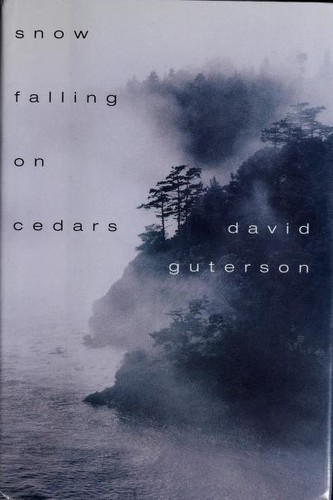
Snow Falling on Cedars
David Guterson (1994)
“A Japanese-American fisherman is on trial for murder in a courtroom where every juror remembers the internment camps. The journalist covering the case once loved the defendant's wife — and holds evidence that could set him free.”
For Students
Because this novel shows you exactly how prejudice works when no one thinks they are prejudiced. The people on San Piedro Island are not burning crosses or shouting slurs — they are sitting on juries with assumptions they cannot name, making decisions shaped by a racism so quiet it sounds like common sense. If you want to understand how injustice happens in a community of decent people, this novel is one of the best guides in American fiction. And Ishmael's choice — to do the right thing when doing the wrong thing would be easier and more personally satisfying — is a choice you will face in some form every year of your life.
For Teachers
Structurally rich enough to teach narrative complexity (braided timelines, multiple perspectives, courtroom as narrative frame) while remaining accessible to strong high school readers. The trial structure provides a natural entry point for students unfamiliar with literary analysis — everyone understands the question 'Is this man guilty?' — and the novel's moral architecture builds from that question to much harder ones about complicity, silence, and structural racism. Pairs naturally with To Kill a Mockingbird (which it deliberately complicates), with the Japanese internment curriculum, and with discussions of contemporary racial justice.
Why It Still Matters
The evidence is in your desk drawer. You know something that would help someone, and you are weighing your private grievance against your public duty. You are sitting in a room where everyone assumes they are being fair, and no one has examined the assumptions underneath their fairness. You are the beneficiary of someone else's dispossession, and you have not thought about it because you did not have to. This novel is about all of those moments — not the dramatic ones, but the quiet ones where justice depends on whether one person decides to act.