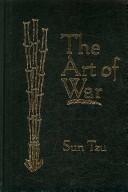
The Art of War
Sun Tzu (-500)
“The most influential military text ever written — a 2,500-year-old manual on winning without fighting that now runs boardrooms, locker rooms, and geopolitics.”
At a Glance
Sun Tzu's The Art of War is a treatise on military strategy composed during China's Spring and Autumn period, organized into thirteen chapters covering topics from strategic planning and waging war to the use of spies and terrain. Its central argument is that supreme excellence lies not in winning every battle but in subduing the enemy without fighting — through deception, intelligence, adaptability, and the exploitation of weakness. The text transcends its military origins to offer a universal philosophy of conflict, competition, and leadership.
Read full summary →Why This Book Matters
The Art of War is the oldest known treatise on military strategy and the most widely read strategic text in human history. It shaped Chinese military doctrine from the Warring States period through the Qing dynasty, influenced Japanese bushido culture and the samurai tradition, was studied by Napoleon after its 1772 French translation, and became required reading at military academies worldwide (including West Point, Sandhurst, and the US Naval War College) in the twentieth century. Its adoption by the corporate world — beginning with Japanese executives in the 1980s and spreading to Wall Street and Silicon Valley in the 1990s — transformed it from a military manual into a universal philosophy of competitive strategy.
Diction Profile
Highly formal — compressed maxims and parallel constructions derived from classical Chinese literary tradition. No narrative, no dialogue, no personality.
Moderate but precise