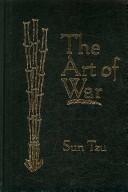
The Art of War
Sun Tzu (-500)
“The most influential military text ever written — a 2,500-year-old manual on winning without fighting that now runs boardrooms, locker rooms, and geopolitics.”
For Students
Because The Art of War is the original playbook for thinking strategically about any competitive situation — not just warfare but job interviews, negotiations, college admissions, and life decisions. Sun Tzu teaches you to gather information before acting, to attack problems where they are weakest rather than where they are strongest, and to understand that the appearance of strength matters as much as strength itself. At 96 pages, you can read it in an afternoon and think about it for years.
For Teachers
Ideal for cross-disciplinary teaching: literature, history, philosophy, political science, and even economics. The text's aphoristic structure supports close reading exercises, while its strategic framework generates rich Socratic discussion. Pairs brilliantly with Clausewitz (Western contrast), Machiavelli (political application), or any modern case study in business strategy. Short enough for a one-week unit, deep enough for a semester seminar.
Why It Still Matters
Every competitive domain in the modern world operates on Sun Tzu's principles, whether consciously or not. Tech companies attack where competitors are weak. Political campaigns are built on intelligence and deception. Athletes study opponents' weaknesses. Negotiators disguise their positions. The Art of War is 2,500 years old and describes your last job interview, your next negotiation, and every market competition happening right now. The fact that a text from ancient China applies seamlessly to a Silicon Valley pitch meeting is either a testament to Sun Tzu's genius or a commentary on the unchanging nature of human conflict — probably both.