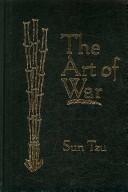
The Art of War
Sun Tzu (-500)
“The most influential military text ever written — a 2,500-year-old manual on winning without fighting that now runs boardrooms, locker rooms, and geopolitics.”
The Art of War— Summary & Analysis
by Sun Tzu · published -500 · 96 pages · Ancient Chinese / Spring and Autumn Period
A user-friendly study guide for The Art of War by Sun Tzu (-500): a high-level plot summary, full chapter-by-chapter analysis, theme breakdowns, character profiles, and 30 essay questions designed for high-school, ap-english, college readers. Unlike a stock summary, sumsumsum.com adds a diction analysis drawn from Sun Tzu’s actual text, the 2 documented AP Literature exam appearances of this book, and reading-difficulty guidance (Easy, 3/10) so students, teachers, and lifelong readers know what they are walking into.
“The most influential military text ever written — a 2,500-year-old manual on winning without fighting that now runs boardrooms, locker rooms, and geopolitics.”
Short Summary
Sun Tzu's The Art of War is a treatise on military strategy composed during China's Spring and Autumn period, organized into thirteen chapters covering topics from strategic planning and waging war to the use of spies and terrain. Its central argument is that supreme excellence lies not in winning every battle but in subduing the enemy without fighting — through deception, intelligence, adaptability, and the exploitation of weakness. The text transcends its military origins to offer a universal philosophy of conflict, competition, and leadership.
Detailed Summary
Attributed to Sun Tzu, a military strategist believed to have served the King of Wu in the late sixth or early fifth century BCE, The Art of War is a concise treatise divided into thirteen chapters that systematically address every dimension of warfare — from initial planning and resource management...
Summary in the Author’s Writing Style
A retelling of The Art of War in Sun Tzu’s style — so you can hear the language, not just the plot. This is a stylistic pastiche written by sumsumsum, not an excerpt from the book.
War is the great affair of the state. It is the ground of life and death, the road that leads to survival or to ruin. Therefore it cannot be left unstudied. The one who weighs it gravely shall stand. The one who takes it lightly shall fall. Measure first by five things. There is the Moral Law, whic…
Chapter-by-Chapter Analysis
If you liked The Art of War, read next
Start with The Prince by Niccolo Machiavelli — Same pragmatic philosophy of power, applied to politics rather than warfare — both texts strip moralism from strategic thinking. Then try The Book of Five Rings by Miyamoto Musashi — East Asian martial philosophy at the individual level — where Sun Tzu addresses armies and states, Musashi addresses the solitary warrior. Or pivot to Meditations by Marcus Aurelius — Another ancient text on leadership and self-mastery — Aurelius applies Stoic philosophy to governance as Sun Tzu applies strategic logic to warfare.
For comparative essays, pair The Art of War with
The strongest comparative pairing is On War (Carl von Clausewitz) — The Western counterpart — Clausewitz's dialectical, expansive analysis of warfare as political instrument versus Sun Tzu's compressed, psychological approach. For a third angle, contrast with The Iliad (Homer) — The Western tradition's foundational war text — where Sun Tzu abstracts strategy from narrative, Homer embeds it in heroic storytelling and human suffering.
Each of these pairings opens a clean thesis path on shared themes, period diction, or formal influence — useful for AP Lit / IB / first-year college comparative essays.