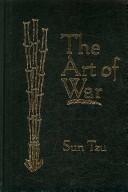
The Art of War
Sun Tzu (-500)
“The most influential military text ever written — a 2,500-year-old manual on winning without fighting that now runs boardrooms, locker rooms, and geopolitics.”
Why This Book Matters
The Art of War is the oldest known treatise on military strategy and the most widely read strategic text in human history. It shaped Chinese military doctrine from the Warring States period through the Qing dynasty, influenced Japanese bushido culture and the samurai tradition, was studied by Napoleon after its 1772 French translation, and became required reading at military academies worldwide (including West Point, Sandhurst, and the US Naval War College) in the twentieth century. Its adoption by the corporate world — beginning with Japanese executives in the 1980s and spreading to Wall Street and Silicon Valley in the 1990s — transformed it from a military manual into a universal philosophy of competitive strategy.
Firsts & Innovations
The earliest known systematic treatise on military strategy and the philosophy of conflict
The first text to articulate intelligence (espionage) as the foundation of all strategic success
The first strategic text to explicitly argue that the supreme achievement is winning without fighting
One of the first texts to treat leadership as a set of learnable skills rather than an inherited trait
Cultural Impact
Required reading at military academies worldwide — West Point, Sandhurst, Saint-Cyr, Chinese PLA National Defense University
Adopted by Wall Street traders, Silicon Valley executives, and sports coaches as a competitive strategy manual
Influenced Mao Zedong's guerrilla warfare doctrine and Ho Chi Minh's strategy in Vietnam
Referenced in hundreds of business books — The Art of War for Managers, Sun Tzu and the Art of Business, etc.
Entered popular culture through film (Wall Street, The Sopranos), video games (Total War series), and motivational speaking
Frequently cited in legal strategy, political campaigns, and negotiation training programs
Banned & Challenged
Not historically banned in the traditional sense, but the text was closely guarded in ancient China as a state secret — military knowledge was considered too dangerous for wide circulation. During the Qin dynasty's book burnings (213 BCE), military texts were among those targeted for destruction, though The Art of War survived through hidden copies. In modern China, the text was alternately suppressed and promoted depending on the political climate.