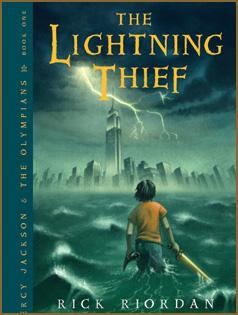
The Lightning Thief
Rick Riordan (2005)
“A boy with ADHD and dyslexia discovers his disabilities are actually the marks of a Greek demigod — and that someone has stolen Zeus's lightning bolt.”
For Students
Because Percy Jackson is the kid who was told he was broken, and the novel proves the world was wrong. If you have ever sat in a classroom feeling like your brain works differently from everyone else's, this book was written for you — literally, for one specific kid like you. Beyond the personal resonance, the novel is a masterclass in the hero's journey, a gateway to Greek mythology that makes Homer feel alive, and one of the most propulsive adventure stories in contemporary fiction. It reads fast because Riordan built it for readers who need speed to stay engaged.
For Teachers
An extraordinarily effective gateway text for classical mythology, the hero's journey, and narrative structure. The novel maps directly onto Joseph Campbell's monomyth while remaining accessible to struggling readers — a rare combination. It also provides natural scaffolding for discussions of disability representation, found family, and the ethics of authority. The short chapters and cliffhanger structure make it ideal for classroom read-alouds, and the mythology connections provide weeks of cross-curricular material linking English to history and world cultures.
Why It Still Matters
The question at the heart of The Lightning Thief — what if the things that make you different are actually the things that make you powerful? — has no expiration date. In an era of increasing neurodiversity awareness, standardized testing pressure, and institutional indifference to individual difference, Riordan's argument that children deserve systems built around their strengths rather than their deficits remains urgent. The novel also speaks to anyone who has felt abandoned by a parent, found family among friends, or discovered that the authorities who claim to protect you are often the ones causing the most damage.