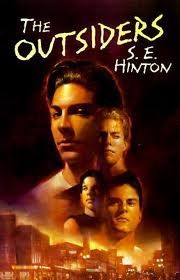
The Outsiders
S.E. Hinton (1967)
“Written by a 16-year-old about teenagers killing teenagers — and the book that proved young adult fiction could be real literature.”
Why This Book Matters
The Outsiders is the founding text of Young Adult literature as we know it — before it, 'teen books' meant sanitized, suburban, problem-free narratives. Hinton proved that teenagers could handle real violence, real class conflict, real death. It has sold over 14 million copies, has never gone out of print since 1967, and is one of the most frequently assigned books in American middle schools. Francis Ford Coppola adapted it in 1983 with a cast that became a generation of major actors. The phrase 'stay gold' entered common American language.
Firsts & Innovations
First major Young Adult novel to feature realistic gang violence and class conflict without moralizing
Among the first novels written by a teenager for teenagers to be treated as serious literature
First widely-read American novel to center the perspective of the working poor in a contemporary setting without sentimentalizing them
Helped establish Young Adult as a publishing category — editors began actively seeking teenage-authored, teenager-centered fiction after its success
Cultural Impact
'Stay gold' became an American cultural shorthand for preserving innocence against experience
Adapted into a 1983 film by Francis Ford Coppola featuring Tom Cruise, Matt Dillon, Rob Lowe, Patrick Swayze, Emilio Estevez, Ralph Macchio, and C. Thomas Howell — arguably the most talent-dense teenage cast in film history
Regularly appears on lists of the most banned books in American school systems, often from the same schools that assign it
Inspired dozens of YA authors to write about class, poverty, and violence — Hinton's success showed publishers the audience existed
The 'greasers vs. Socs' framing has become cultural shorthand for any class-based social division among young people
Banned & Challenged
Frequently challenged and banned for violence, drug use, and 'offensive language.' The irony — that a book about why poor kids get treated unfairly is banned from the schools those kids attend — has not been lost on its defenders.