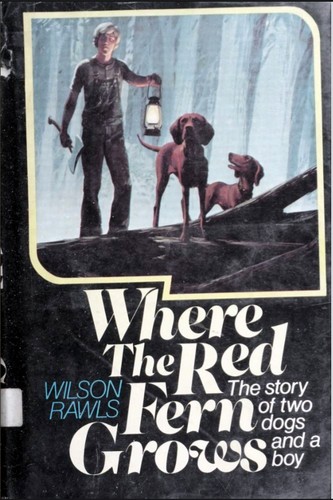
Where the Red Fern Grows
Wilson Rawls (1961)
“A boy, two dogs, and the Ozark wilderness — and the story of what loving something completely costs you.”
Why This Book Matters
One of the bestselling middle-grade novels of the twentieth century — reliably in the top 100 most-assigned books in American middle schools. The novel's treatment of grief — direct, unsentimental, and fully honorable — distinguished it from most children's literature of its era and gave generations of young readers their first serious encounter with loss in fiction.
Firsts & Innovations
One of the first widely-read children's novels to end with the death of beloved animals without softening, moralizing, or providing a compensatory rescue
An early example of regional realism in children's literature — the specific Cherokee Ozark setting treated as culturally and historically significant rather than generic countryside
One of the few middle-grade novels that is genuinely autobiographical — the story Rawls needed decades to be able to write
Cultural Impact
Consistently ranked among the books most likely to make adult readers cry, regardless of when they first read it
Assigned in American middle schools for sixty-plus years — a rare example of a novel that has not been displaced by newer titles
The red fern has entered common usage as a term for something that marks sacred ground
Cited by writers across genres as a formative reading experience — the book that taught them that stories could be both honest and devastating
Banned & Challenged
Challenged occasionally for the death of the dogs (deemed emotionally inappropriate for children) and for the death of Rubin Pritchard (violence). These challenges have never succeeded — the novel's emotional honesty is precisely what gives it its enduring educational value.