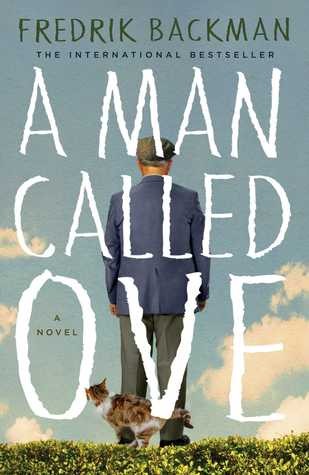
A Man Called Ove
Fredrik Backman (2012)
“The grumpiest man in the world turns out to be the most loving one — if you can survive meeting him.”
Why This Book Matters
A Man Called Ove became an international phenomenon despite — or because of — its utter simplicity. No plot twists, no thriller mechanics, no conceptual games. Just a very specific portrait of a very specific man, and a structural conceit (the alternating timeline) that slowly reverses the reader's judgment of him. It proved that literary fiction about grief, community, and love could reach a mass audience without condescension.
Firsts & Innovations
Originated as a blog post — one of the first literary novels to emerge from long-form social media
Established Backman as the leading exponent of what critics called 'Nordic warmth' fiction — a counterpoint to Scandinavian noir
Demonstrated that a non-English European novel without crime, politics, or genre mechanics could reach the top of the US bestseller list
Cultural Impact
Swedish film adaptation (2015) nominated for Academy Awards for Best Foreign Language Film and Best Makeup
American remake (2022) starring Tom Hanks — reached a generation unfamiliar with the book
The novel's thesis ('curmudgeon as unread love letter') entered popular discussion of grief and masculinity
Widely used in workplace and community settings as a discussion text about belonging and how people express care
Swedish tourism to locations associated with the novel's setting
Banned & Challenged
Not a frequent target of censorship challenges. The novel's subject matter — grief, community, an older white protagonist — does not typically activate the pressure points that bring books before school boards. Its quiet radicalism (multicultural community presented as entirely normal, gay character treated with complete matter-of-factness) has not attracted organized opposition.