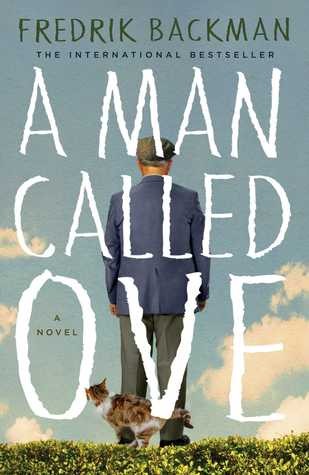
A Man Called Ove
Fredrik Backman (2012)
“The grumpiest man in the world turns out to be the most loving one — if you can survive meeting him.”
For Students
Because it will make you think about the adults in your life who express love through fixing things and checking up on you and being difficult. You will finish this book and call someone. It is also a very good lesson in how alternating timelines work — how Backman uses structure to control information and reverse judgment. And it is 337 pages that feel like 150.
For Teachers
Accessible difficulty level makes it ideal for reluctant readers while the structural sophistication rewards close analysis. The alternating timeline is a teachable craft element. The diction analysis is rich — the deadpan register, the way Swedish cultural context enters English prose, the distinction between how Ove talks and what he means. And every student has a version of Ove in their life.
Why It Still Matters
The novel is about what happens when the people we love die and we are still here. It is about how community is built not through intention but through showing up. It is about men who do not know how to say 'I love you' and all the other things they say instead. Every culture has Ove. Every family has Ove. The Swedish setting is specific; the human situation is not.