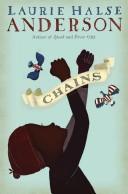
Chains
Laurie Halse Anderson (2008)
“A thirteen-year-old enslaved girl discovers that the Revolutionary War's promise of liberty was never meant for her.”
Why This Book Matters
Chains is one of the first widely adopted middle-grade novels to place an enslaved protagonist at the center of the American Revolution. Before its publication, the dominant narrative of the Revolution in children's literature focused almost exclusively on white Patriot perspectives. Anderson's novel introduced millions of young readers to the historical reality that the founding of the United States was inseparable from the institution of slavery — a corrective that has made the book both celebrated and frequently challenged.
Firsts & Innovations
Among the first YA novels to center an enslaved girl's perspective during the American Revolution
Pioneered the use of primary-source historical research in accessible middle-grade historical fiction
One of the first children's novels to explicitly connect the Declaration of Independence to the hypocrisy of slaveholding founders
Cultural Impact
National Book Award finalist (2008) — brought critical attention to YA historical fiction about slavery
Widely adopted in middle school curricula as a companion to American Revolution units
Sparked classroom discussions about whose perspectives are included in — and excluded from — standard history education
Part of a broader movement in children's literature toward centering marginalized voices in historical narratives
The trilogy (Chains, Forge, Ashes) became a touchstone for teaching the Revolution's racial contradictions
Banned & Challenged
Frequently challenged in school districts for its depictions of violence against enslaved people — particularly the branding scene — and for its critical portrayal of the Founding Fathers as slaveholders. Some challenges have cited the book's 'negative' depiction of American history, arguing it is inappropriate for young readers. The irony of banning a book about silencing people is not lost on its defenders.