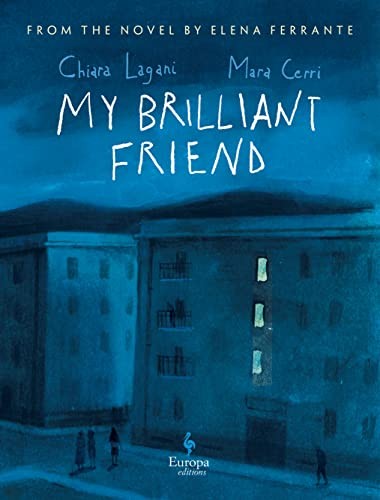
My Brilliant Friend
Elena Ferrante (2011)
“A friendship between two girls in 1950s Naples that is simultaneously a love story, a war story, and a class analysis — told by the one who got out.”
Why This Book Matters
The Neapolitan Quartet became a global literary phenomenon — 'Ferrante fever' — that reshaped how female friendship was represented in serious fiction. Before Ferrante, the dominant literary model for intense same-sex bonds was male (Hemingway, Roth, Knausgaard). Ferrante proved that a friendship between two girls in a poor neighborhood could sustain 1,600 pages of literary fiction and sell 15 million copies worldwide. The anonymity added mystique but the books' power is structural: they gave readers a vocabulary for the competitive, jealous, transformative intensity of female friendship that had existed in life but rarely in literature.
Firsts & Innovations
Made female friendship the structural center of a multi-volume literary epic — not a subplot, not a backdrop, but the engine
Popularized the concept of 'smarginatura' (dissolving margins) as a literary and philosophical idea
Demonstrated that pseudonymous authorship could amplify rather than diminish a work's cultural impact in the age of author branding
Cultural Impact
'Ferrante fever' — a global reading phenomenon that crossed literary and popular audiences in a way rare for translated fiction
HBO adaptation (2018-present) brought Neapolitan working-class life to international television audiences
Sparked renewed critical interest in women's friendship as a literary subject, influencing a generation of novels
The anonymity debate — investigative journalist Claudio Gatti's 2016 attempt to unmask Ferrante provoked fierce debate about authorial privacy and gendered expectations of self-exposure
Made Ann Goldstein one of the most recognized literary translators in the English-speaking world
Banned & Challenged
Not widely banned, but challenged in some school settings for sexual content (later volumes), domestic violence, and frank depictions of adolescent sexuality. The novel's treatment of violence against women — presented without redemption or moral framing — has been both praised as feminist realism and criticized as potentially traumatizing for younger readers.