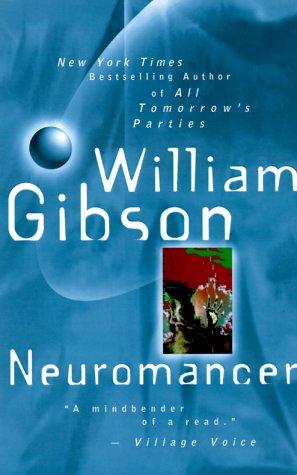
Neuromancer
William Gibson (1984)
“The novel that invented cyberpunk, written by a man who had never touched a computer, on a manual typewriter.”
Similar Books
Thematic connections across eras and genres — books that talk to each other.
Snow Crash
Neal Stephenson
The next-generation cyberpunk novel — where Gibson is noir and atmospheric, Stephenson is satirical and kinetic. Snow Crash made cyberspace social; Gibson made it existential.
Do Androids Dream of Electric Sheep?
Philip K. Dick
The predecessor — Dick's androids raise the same questions about consciousness and authenticity that Gibson's AIs do, but Dick is metaphysical where Gibson is material.
Frankenstein
Mary Shelley
The origin of the 'created intelligence' narrative. Shelley's creature wanted love; Gibson's AIs want completion. Both novels ask what the creator owes the created.
The Big Sleep
Raymond Chandler
Gibson's direct prose ancestor — the hardboiled voice, the corrupt landscape, the cynical protagonist navigating systems of power. Marlowe walked mean streets; Case jacks into mean data.
Gravity's Rainbow
Thomas Pynchon
The paranoid systems novel that cyberpunk inherited — Pynchon's vast conspiratorial networks of technology and power prefigure Gibson's matrix, but Pynchon is denser and more chaotic.
Blade Runner (screenplay/film)
Ridley Scott / Hampton Fancher / David Peoples
The visual twin — released two years before Neuromancer, Blade Runner shares the rain-soaked neon aesthetic and questions about artificial consciousness. Gibson nearly abandoned his novel after seeing it.