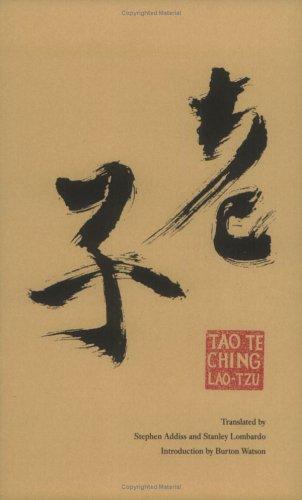
Tao Te Ching
Laozi (-500)
“Eighty-one verses that dismantle everything you think you know about power, language, and the meaning of a useful life.”
At a Glance
The Tao Te Ching is a collection of 81 brief verses attributed to Laozi, a semi-legendary Chinese sage of the 6th-4th century BCE. Divided into two parts — the Tao Ching (the Way) and the Te Ching (Virtue/Power) — the text argues that the ultimate reality, the Tao, cannot be named or grasped by intellect. True wisdom comes through yielding, not forcing; true power through softness, not domination. The sage-ruler governs by doing less, not more. Water, which is soft yet carves stone, is the text's master metaphor. The work became the foundational scripture of Taoism and one of the most translated texts in human history.
Read full summary →Why This Book Matters
The Tao Te Ching is one of the most influential texts in human history. With over 250 English translations, it is the most translated work in the world after the Bible. It became the foundational scripture of Taoism (both philosophical and religious), profoundly shaped Chinese culture for over two millennia, influenced the development of Chan (Zen) Buddhism, and provided an alternative philosophical framework to the Confucian orthodoxy that dominated Chinese governance. In the 20th century, it became one of the most widely read works of Eastern philosophy in the West.
Diction Profile
Elevated but compressed — ancient Chinese literary register translated through vastly different English styles depending on translator
Moderate in frequency but extremely high in resonance