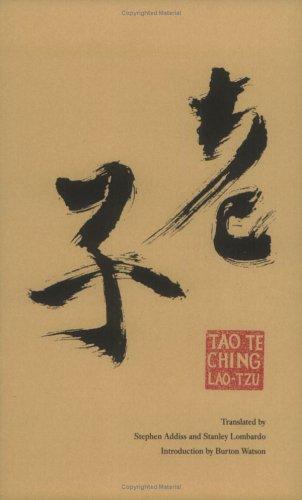
Tao Te Ching
Laozi (-500)
“Eighty-one verses that dismantle everything you think you know about power, language, and the meaning of a useful life.”
Why This Book Matters
The Tao Te Ching is one of the most influential texts in human history. With over 250 English translations, it is the most translated work in the world after the Bible. It became the foundational scripture of Taoism (both philosophical and religious), profoundly shaped Chinese culture for over two millennia, influenced the development of Chan (Zen) Buddhism, and provided an alternative philosophical framework to the Confucian orthodoxy that dominated Chinese governance. In the 20th century, it became one of the most widely read works of Eastern philosophy in the West.
Firsts & Innovations
One of the earliest systematic philosophical texts to argue that language cannot capture ultimate reality
Among the first political philosophies to advocate minimal governance as superior to active rule
One of the earliest texts to use paradox as a sustained philosophical method rather than a rhetorical device
The foundational text of Taoism — one of the world's major philosophical and religious traditions
Cultural Impact
Foundational scripture of Taoism — influencing religion, medicine, martial arts, landscape painting, and calligraphy across East Asia
Shaped Chan (Zen) Buddhism's emphasis on direct experience over textual study and the use of paradox (koans)
Influenced Chinese military strategy — Sun Tzu's flexibility and patience echo Taoist principles
Exploded in Western popularity during the 1960s counterculture — its anti-authoritarianism, nature mysticism, and distrust of institutions resonated with Vietnam-era dissent
Over 250 English translations — each reflecting the translator's own philosophical and spiritual commitments, making the text a mirror of Western intellectual history
Influenced Western thinkers from Heidegger to Ursula K. Le Guin (who produced a celebrated English version in 1997)
Banned & Challenged
Not banned in the conventional Western sense, but the text's relationship to political power has been complex. The Qin dynasty (221-206 BCE) burned Confucian texts but was indifferent to Taoist ones. Various Chinese dynasties promoted or suppressed Taoism depending on political needs. During the Cultural Revolution (1966-1976), Taoist temples were destroyed and Taoist practice suppressed as part of the campaign against traditional culture — though the text itself survived through its global dissemination.