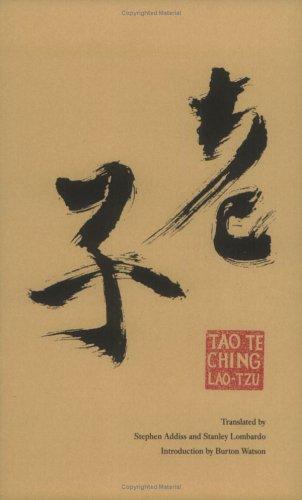
Tao Te Ching
Laozi (-500)
“Eighty-one verses that dismantle everything you think you know about power, language, and the meaning of a useful life.”
Tao Te Ching— Summary & Analysis
by Laozi · published -500 · 100 pages · Ancient Chinese Philosophy
A user-friendly study guide for Tao Te Ching by Laozi (-500): a high-level plot summary, full chapter-by-chapter analysis, theme breakdowns, character profiles, and 30 essay questions designed for ap-english, college readers. Unlike a stock summary, sumsumsum.com adds a diction analysis drawn from Laozi’s actual text, the 2 documented AP Literature exam appearances of this book, and reading-difficulty guidance (Moderate, 4/10) so students, teachers, and lifelong readers know what they are walking into.
“Eighty-one verses that dismantle everything you think you know about power, language, and the meaning of a useful life.”
Short Summary
The Tao Te Ching is a collection of 81 brief verses attributed to Laozi, a semi-legendary Chinese sage of the 6th-4th century BCE. Divided into two parts — the Tao Ching (the Way) and the Te Ching (Virtue/Power) — the text argues that the ultimate reality, the Tao, cannot be named or grasped by intellect. True wisdom comes through yielding, not forcing; true power through softness, not domination. The sage-ruler governs by doing less, not more. Water, which is soft yet carves stone, is the text's master metaphor. The work became the foundational scripture of Taoism and one of the most translated texts in human history.
Detailed Summary
The Tao Te Ching opens with what may be the most famous paradox in world philosophy: 'The Tao that can be told is not the eternal Tao.' From this starting point, Laozi builds an entire worldview on the principle that language, categories, and conventional knowledge distort reality rather than reveal...
Summary in the Author’s Writing Style
A retelling of Tao Te Ching in Laozi’s style — so you can hear the language, not just the plot. This is a stylistic pastiche written by sumsumsum, not an excerpt from the book.
The Way that a word can hold is not the Way. The name that a tongue can carry is not the name. Before the ten thousand things had faces, there was the nameless. After they were named, there was the mother of them all. So begin at the gateless gate, and do not ask for a key. Look: when the world lea…
Chapter-by-Chapter Analysis
If you liked Tao Te Ching, read next
Start with The Analects by Confucius — The other side of Chinese philosophy's foundational debate — where Laozi counsels yielding and withdrawal, Confucius advocates ritual, education, and active moral cultivation. Then try Meditations by Marcus Aurelius — Another collection of aphoristic wisdom about accepting what you cannot control — Stoic where Laozi is Taoist, but both arrive at similar conclusions about desire and contentment. Or pivot to Walden by Henry David Thoreau — The American Tao Te Ching — deliberate simplicity, withdrawal from society, nature as teacher, suspicion of institutions and material excess.
For comparative essays, pair Tao Te Ching with
The strongest comparative pairing is The Art of War (Sun Tzu) — Military strategy that echoes Taoist principles — patience, deception, yielding, and the superiority of winning without fighting. For a third angle, contrast with Bhagavad Gita (Vyasa (attributed)) — Another ancient text grappling with action versus non-action, duty versus withdrawal, and the nature of ultimate reality — Hindu answers to Taoist questions.
Each of these pairings opens a clean thesis path on shared themes, period diction, or formal influence — useful for AP Lit / IB / first-year college comparative essays.