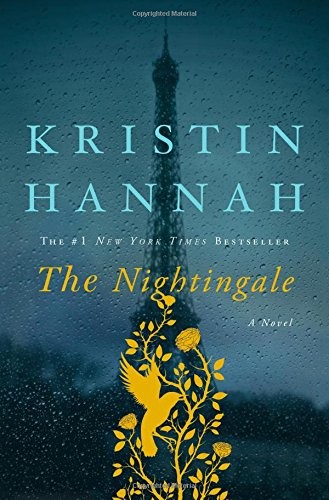
The Nightingale
Kristin Hannah (2015)
“Two sisters in Nazi-occupied France make impossible choices — and one of them will disappear from history entirely.”
Why This Book Matters
The Nightingale became the best-selling novel of 2015 in the United States and remained on bestseller lists for over a year. It revived mainstream interest in women's roles in the French Resistance and introduced the Comet Line to millions of readers who had never encountered it in history class. Historians of women's wartime contributions credit it with raising popular awareness of a significantly underresearched area.
Firsts & Innovations
One of the first commercially successful novels to center the Comet Line escape network as its narrative spine
One of very few WWII novels told entirely from women's perspectives without a male character driving the plot
Demonstrated that 'women's fiction' about WWII could reach readers across gender lines in the same scale as conventional war narratives
Cultural Impact
Sold 4+ million copies in the first year — remarkable for adult literary fiction without a major award win
Sparked widespread popular interest in French Resistance women, particularly Andrée de Jongh (who ran the real Comet Line)
Adapted for film (2023) — one of the few book-to-film adaptations where female readers organized public advocacy for fidelity to the source
Frequently cited by readers as the book that made WWII history accessible and personal for the first time
Used in high school classrooms as an introduction to the French Resistance, the Holocaust's impact on occupied territories, and women's historical agency
Banned & Challenged
The Nightingale has faced some school library challenges related to the rape scene and wartime violence, but it has not been widely banned. Its presence on school reading lists has generally been welcomed rather than contested — the Holocaust content is considered historically necessary rather than gratuitous.