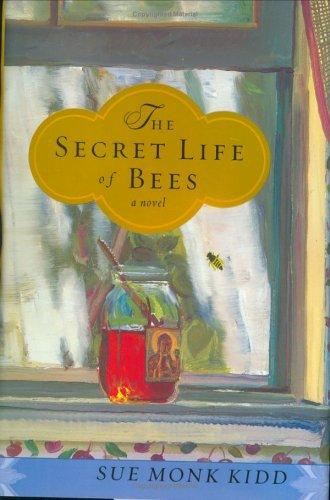
The Secret Life of Bees
Sue Monk Kidd (2002)
“A fourteen-year-old girl fleeing a lie about her mother finds what she was actually looking for: a family she chose and a faith she built herself.”
This page prints on a single page. Use Ctrl+P / Cmd+P.
The Secret Life of Bees
Sue Monk Kidd (2002) · 302pages · Contemporary / American South · 4 AP appearances
Summary
It's 1964 in South Carolina. Fourteen-year-old Lily Owens carries a crushing secret: she believes she accidentally shot and killed her own mother when she was four. Running from her abusive father T. Ray with her nanny Rosaleen, Lily follows clues left by her dead mother to a beekeeping community run by three Black sisters — August, June, and May Boatwright. She finds refuge, love, and ultimately the truth about her mother, which is both more complicated and more forgiving than she imagined.
Why It Matters
The Secret Life of Bees arrived in 2002 and sold over six million copies in the United States alone. It became one of the most widely taught novels in American middle and high schools — a book clubs staple and a reading list perennial. Its treatment of race has been praised for its emotional warm...
Themes & Motifs
Diction & Style
Register: Conversational-literary — warm, immediate, Southern in cadence, metaphor-dense but not demanding
Narrator: Lily Owens: first-person, retrospective-feeling but immediate, lyrical and adolescent simultaneously. She is both the...
Figurative Language: High, especially in natural-world metaphors
Historical Context
Summer 1964, South Carolina — Civil Rights Act passage, Jim Crow South: The Civil Rights Act passing is not background — it is the direct trigger for Rosaleen's arrest and the novel's central plot. Kidd situates every element of racial tension in specific historical re...
Key Characters
Talking Points
- Lily carries guilt about her mother's death for the entire novel. How does Kidd use this false guilt to drive the plot, and what does its resolution tell us about how children absorb adult failures?
- August waits to tell Lily the truth about her mother for most of the novel. Is she right to wait? What is the difference between lying by omission and waiting for someone to be ready?
- June Boatwright is hostile to Lily from the start. Is she wrong? What is June's perspective, and why does Kidd include a character who refuses to simply welcome the white protagonist?
- The Civil Rights Act passes on page one, and Rosaleen is beaten on page ten. What is Kidd saying about the gap between legal rights and lived reality?
- May Boatwright feels the world's pain as her own. Is this empathy presented as a gift, a curse, or both? What does the novel suggest is the right relationship to the suffering of others?
Notable Quotes
“It was the summer of 1964 when everything happened... the bees showed up and then my life split apart.”
“I was not afraid. I was not afraid. I was not afraid.”
“I have been trying to vote since Lyndon Johnson was in diapers.”
Why Read This
Because it takes a fourteen-year-old girl seriously. Lily is not a foil for adult drama — she is the drama. Her grief, her guilt, her search for belonging are treated as real and important, and the novel's conclusion is that she deserves a real an...