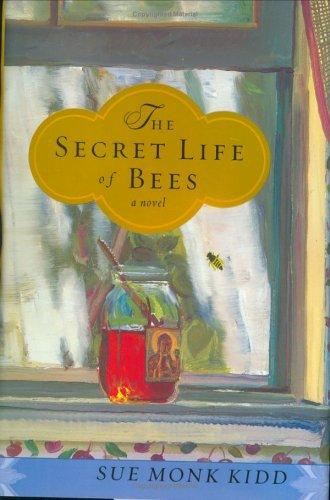
The Secret Life of Bees
Sue Monk Kidd (2002)
“A fourteen-year-old girl fleeing a lie about her mother finds what she was actually looking for: a family she chose and a faith she built herself.”
Why This Book Matters
The Secret Life of Bees arrived in 2002 and sold over six million copies in the United States alone. It became one of the most widely taught novels in American middle and high schools — a book clubs staple and a reading list perennial. Its treatment of race has been praised for its emotional warmth and criticized for centering a white narrator on Black women's lives; both responses are legitimate and both reflect its cultural moment. The 2008 film adaptation brought it to an even wider audience.
Firsts & Innovations
One of the first mainstream American novels to center a syncretic, woman-led spiritual community as the site of healing rather than a conventionally Christian one
Among the first post-Civil Rights-era novels taught widely in middle schools that treats the period from inside the daily reality rather than at protest-march distance
Sue Monk Kidd's debut novel — unusual for a writer in her fifties, unusual for a book about a fourteen-year-old to be written with such precise interior access
Cultural Impact
Six million+ copies sold in the US; translated into 36 languages
Film adaptation (2008) starred Queen Latifah, Alicia Keys, Jennifer Hudson, Dakota Fanning, Sophie Okonedo
One of the most assigned novels in middle school American classrooms from 2003 to present
Introduced the term 'wailing wall' as personal grief practice to a generation of readers who had not encountered the Jerusalem reference
The Black Madonna as literary symbol — Kidd brought Black Madonnas to wider awareness in American popular fiction
Banned & Challenged
Regularly challenged in schools for profanity, sexual content (Lily's coming-of-age including attraction to Zach), racial violence, and 'offensive language' referring to its frank depiction of period-accurate racism. Some challenges have objected to its 'new age' or syncretic spirituality as not in line with Christian values.