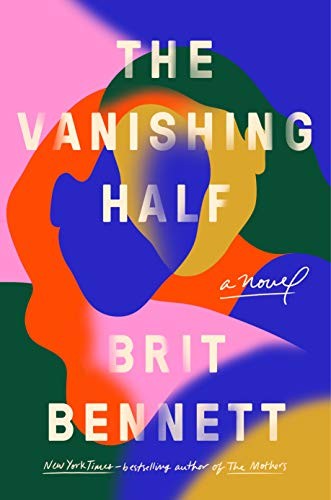
The Vanishing Half
Brit Bennett (2020)
“Twin sisters flee a Black town that polices their Blackness — one vanishes into white America, and the next generation inherits choices they never got to make.”
The Vanishing Half— Literary & Historical Significance
Why This Book Matters
The Vanishing Half became a cultural touchstone within months of publication — a #1 New York Times bestseller that spent over a year on the list and generated immediate academic discussion. It is the first major American novel to put passing and trans identity in structural parallel, offering a new framework for thinking about chosen versus assigned identity. It also revived serious literary attention to colorism — a topic that had been discussed in social discourse for decades but rarely given this kind of novelistic treatment.
Firsts & Innovations
First major American novel to parallel racial passing and trans identity as structurally equivalent identity questions
Revived the literary passing narrative (dormant since Larsen's era) for a 21st-century readership
Brought colorism within Black communities to the center of literary fiction rather than treating it as a subsidiary concern
Cultural Impact
Immediately placed on AP and college syllabi as a contemporary text that advances discussions of race, identity, and family
Sparked mainstream conversation about colorism that had previously been largely internal to Black communities
HBO adaptation in development — the novel's film/TV rights sold quickly and the adaptation is highly anticipated
Became a reference point in public discussions about passing — political figures, celebrities, and public intellectuals cited it
Introduced 'the vanishing' as a metaphor for what is lost when people erase their origins
Banned & Challenged
Has appeared on challenged book lists primarily for its depiction of a trans character and for its treatment of race and colorism as systemic rather than individual issues. Challenges reflect broader culture-war targeting of books that center Black or LGBTQ experiences without framing them as problems to be solved.