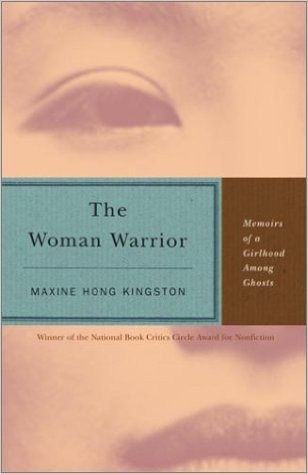
The Woman Warrior
Maxine Hong Kingston (1976)
“A Chinese-American daughter untangles what is myth, what is memory, and what silence has buried — and discovers that telling stories is the only way to survive.”
Why This Book Matters
The Woman Warrior was one of the first Asian-American texts to reach a mainstream American literary audience. It won the National Book Critics Circle Award for nonfiction in 1976 and was immediately adopted into university curricula. It has never gone out of print. It is now routinely cited as one of the most important American memoirs of the twentieth century and as a foundational text in both Asian-American studies and feminist literary criticism.
Firsts & Innovations
One of the first Asian-American books to win a major American literary award
Pioneer of the hybrid memoir-mythology form — blending personal narrative with cultural legend without flagging the transition
One of the earliest American texts to systematically analyze the relationship between gender, silence, and narrative power from an immigrant perspective
Cultural Impact
Taught in university courses across literature, women's studies, and ethnic studies — one of the most assigned texts in American higher education
Prompted a sustained debate about the borders of memoir and fiction that still hasn't resolved — and that Kingston has said she doesn't want resolved
Inspired a generation of Asian-American writers (including Amy Tan, whose The Joy Luck Club shares many of its concerns) to claim literary space
Challenged by some Chinese-American critics (notably Frank Chin) for distorting Chinese mythology — a debate that clarified the difference between ethnic representation and artistic authority
Established the talk-story as a recognized American literary form
Banned & Challenged
Challenged in high schools and colleges primarily for its frank treatment of sexuality, the No Name Woman's story, and its critical portrayal of Chinese patriarchal culture. Also challenged for being 'anti-Chinese' by critics who felt Kingston's depictions of Chinese misogyny harmed the community's image — a censorship rationale that reveals the same silencing logic the book is arguing against.