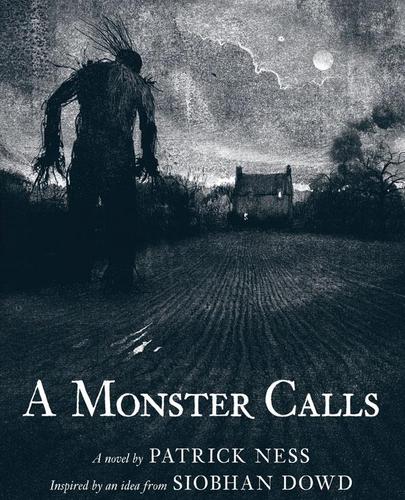
A Monster Calls
Patrick Ness (from an idea by Siobhan Dowd) (2011)
“A boy whose mother is dying summons a monster made of yew — the tree that grows in graveyards and produces the chemical used in chemotherapy. The monster does not come to heal. It comes to make Conor tell the truth.”
For Students
Because grief is not a problem with a solution, and this is one of the few books honest enough to say so. The monster's three stories will teach you more about how narratives actually work — subverting expectations, refusing easy morals, building toward truths you didn't know you were approaching — than most textbooks on craft. And the fourth story will ask you to do something genuinely difficult: sit with a truth that has no clean resolution. At 215 pages with illustrations, it reads in an afternoon and stays for years.
For Teachers
Structurally brilliant for teaching narrative architecture: three embedded stories building toward a fourth, each with its own register and moral logic. The illustrations create opportunities for visual literacy analysis rarely available in novels for this age group. The fairy-tale subversions are ideal for units on genre expectations and narrative convention. And the emotional content — grief, guilt, anger, the complexity of love — gives students permission to discuss feelings that most curricula avoid. Pairs naturally with Where the Wild Things Are (anger), The Book Thief (Death as narrator), and Bridge to Terabithia (child grief).
Why It Still Matters
Everyone will lose someone. The question is not whether grief will come but whether you will have the language for it when it does. A Monster Calls does not offer comfort. It offers something rarer: permission to feel the full range of what grief actually contains, including the parts you are ashamed of. The secret relief when suffering ends. The rage at being seen only through your loss. The guilt of wanting it to be over. The book says: these feelings are human, and having them does not make you a monster.