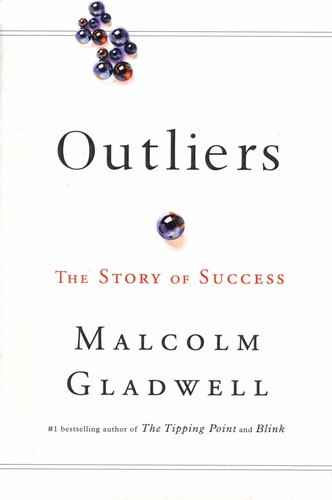
Outliers: The Story of Success
Malcolm Gladwell (2008)
“The book that shattered the myth of the self-made genius by revealing that extraordinary success is less about individual talent and more about hidden advantages, cultural legacies, and the 10,000-hour rule.”
Why This Book Matters
Outliers permanently changed the popular conversation about success, talent, and meritocracy. The 10,000-hour rule entered common language. The structural critique of the self-made individual narrative influenced education policy, corporate diversity initiatives, and public discourse about inequality. The book made it acceptable — even fashionable — to question whether successful people deserve all the credit they receive.
Firsts & Innovations
Popularized the 10,000-hour rule (subsequently debated but permanently influential) for a mass audience
Introduced the concept of 'cumulative advantage' to popular discourse, showing how small initial differences compound into large outcome differences
Made the structural critique of meritocracy accessible to a mainstream audience that had not previously encountered sociological arguments about opportunity and inequality
Cultural Impact
Spent 11 weeks at #1 on the New York Times bestseller list and has sold over 5 million copies
The 10,000-hour rule became a cultural reference point in education, sports, business, and personal development
Influenced education reform debates, particularly around tracking, streaming, and the timing of talent identification
Challenged Silicon Valley's self-made mythology by contextualizing tech billionaires' success within structural advantages
Generated sustained academic debate about the relative contributions of talent, effort, and opportunity to success
Inspired corporate diversity programs that focus on expanding opportunity rather than simply identifying talent
Banned & Challenged
Not banned. However, the book has generated sustained academic criticism, particularly from Anders Ericsson (who argued Gladwell oversimplified his research on deliberate practice) and from scholars who challenge the cultural determinism of the Korean Air and rice-paddy chapters. These critiques are substantive and should be engaged with by readers.