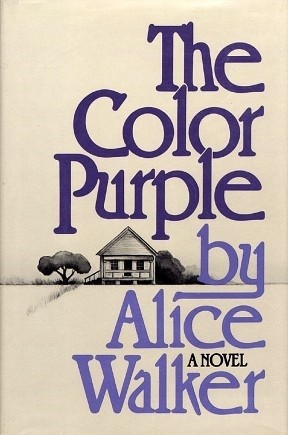
The Color Purple
Alice Walker (1982)
“A Black woman in the Jim Crow South finds her voice, her God, and herself through letters no one was ever supposed to read.”
At a Glance
Celie, a poor Black girl in rural Georgia, is raped by the man she believes is her father, loses her two children, and is handed off as a wife to an abusive man she calls 'Mister.' Over thirty years, through letters to God and then to her sister Nettie — who has been in Africa as a missionary — Celie transforms from a girl taught to be invisible into a woman who owns her own business, finds love on her own terms, and reclaims every person stolen from her. The letters are the survival, and finally, the triumph.
Read full summary →Why This Book Matters
Won the Pulitzer Prize for Fiction and the National Book Award in 1983, making Walker the first Black woman to win the Pulitzer in fiction. Subsequently became one of the most taught novels in American high schools and colleges. Also became one of the most challenged and banned books in American school districts — consistently in the top ten of ALA's banned books list. The 1985 Steven Spielberg film adaptation made it globally known. The novel has been credited with helping create the vocabulary for 'womanism' as a distinct political and critical framework.
Diction Profile
Dual register — Celie's AAVE epistolary prose (phonetic, direct, present-tense) alongside Nettie's standard educated English. Walker refuses to subordinate either register to the other.
Moderate in Celie's early letters, increasing as her voice develops. Walker's figurative language is grounded in the natural world and the body