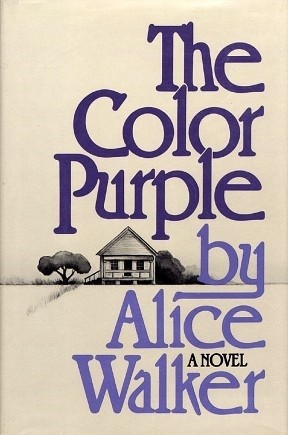
The Color Purple
Alice Walker (1982)
“A Black woman in the Jim Crow South finds her voice, her God, and herself through letters no one was ever supposed to read.”
Similar Books
Thematic connections across eras and genres — books that talk to each other.
Their Eyes Were Watching God
Zora Neale Hurston
Walker's direct literary predecessor — AAVE as uncompromised literary medium, Black Southern women's interiority, the novel Walker championed and then answered with her own
Beloved
Toni Morrison
Adjacent terrain — Black women, the American South, generational trauma — but Morrison's prose is maximally dense where Walker's is maximally direct; useful contrast in how two writers address related material
Invisible Man
Ralph Ellison
Both novels center the experience of being rendered invisible by American society, but Ellison's narrator seeks visibility in the public sphere while Celie's liberation is intimate, domestic, and inward
The Bluest Eye
Toni Morrison
Morrison's first novel centers a Black girl who internalizes white standards of beauty as self-erasure — a counterpoint to Celie's arc, which moves toward self-acceptance without Morrison's tragic frame
Kindred
Octavia Butler
Another Black woman writer using the antebellum South as subject — Butler via science fiction, Walker via realism; both examining the bodily and psychological cost of racial-gendered violence
Epistolary and multi-generational structure, centering women's experiences across time and distance — Tan's Chinese American mothers and daughters rhyme structurally with Celie and Nettie's separated correspondence