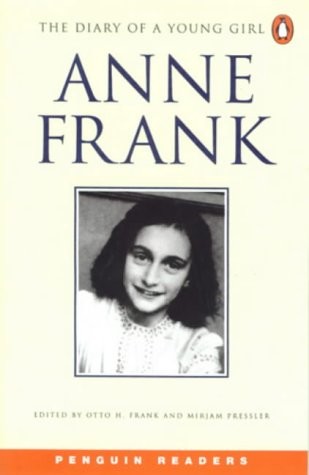
The Diary of a Young Girl
Anne Frank (1947)
“A thirteen-year-old girl hiding from the Nazis wrote the most read diary in human history — and never knew it.”
At a Glance
Between June 1942 and August 1944, Anne Frank — a Jewish teenager in Nazi-occupied Amsterdam — kept a diary while hiding with her family and four others in a concealed apartment above her father's office building, which she called the Secret Annex. She wrote with wit, fury, heartbreak, and a literary self-awareness astonishing for her age. On August 4, 1944, the Nazis raided the Annex. Anne was deported to Bergen-Belsen concentration camp, where she died of typhus in February or March 1945, three months before the war ended. She was fifteen. Her father Otto, the only Annex survivor, published her diary in 1947.
Read full summary →Why This Book Matters
Het Achterhuis was published in a print run of 1,500 copies in 1947. It has since sold more than 35 million copies and been translated into more than 70 languages — making it one of the most widely read books in human history. It is the most direct, intimate, and widely distributed account of what it felt like to be Jewish in Nazi-occupied Europe. For millions of readers, Anne Frank is the Holocaust — which is both the diary's extraordinary power and its most serious interpretive problem.
Diction Profile
Informal in the early entries — chatty, quick, unguarded. Progressively more formal and philosophically deliberate as the diary continues. The final entries read as conscious literary prose.
Moderate and growing. The early entries are nearly figurative-free