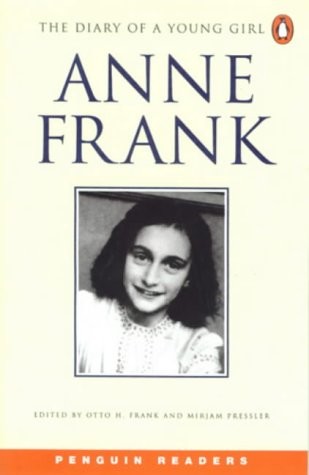
The Diary of a Young Girl
Anne Frank (1947)
“A thirteen-year-old girl hiding from the Nazis wrote the most read diary in human history — and never knew it.”
Why This Book Matters
Het Achterhuis was published in a print run of 1,500 copies in 1947. It has since sold more than 35 million copies and been translated into more than 70 languages — making it one of the most widely read books in human history. It is the most direct, intimate, and widely distributed account of what it felt like to be Jewish in Nazi-occupied Europe. For millions of readers, Anne Frank is the Holocaust — which is both the diary's extraordinary power and its most serious interpretive problem.
Firsts & Innovations
The first Holocaust memoir to achieve mass readership — published before most survivor accounts
One of the first texts to make a Jewish child the protagonist and full human subject of a Nazi-era narrative
A foundational work of witness literature — helped establish the genre that includes Night, Maus, and Survival in Auschwitz
The first work to make the daily texture of hiding — the rules, the boredom, the minute-by-minute fear — fully visible to an outside audience
Cultural Impact
The Anne Frank House in Amsterdam receives approximately 1.2 million visitors per year — one of Europe's most visited memorial sites
Taught in schools in more than 50 countries; often the first Holocaust text students encounter
Broadway play (1956, Pulitzer Prize) and film (1959, Academy Award for Best Cinematography) brought the diary to massive new audiences
The phrase 'despite everything, I believe people are good at heart' has entered global culture — often quoted without context, to the dismay of scholars
The diary has generated ongoing debates about how we memorialize the Holocaust, who owns victims' stories, and whether universalizing Anne Frank's experience dilutes or deepens understanding
The 2022 investigation into the raid's source (led by retired FBI agent Vince Pankoke) generated global news coverage and reopened questions about wartime collaboration
Banned & Challenged
The diary has been challenged and banned in numerous school districts in the United States, primarily for two reasons: the restored passages in the Definitive Edition (2001) that discuss Anne's sexuality and her curiosity about female anatomy, and the passages expressing doubt about the existence of God. In 2022, a school board in Tennessee temporarily removed it. The Definitive Edition, which restores Otto Frank's omissions, is the most frequently challenged version.