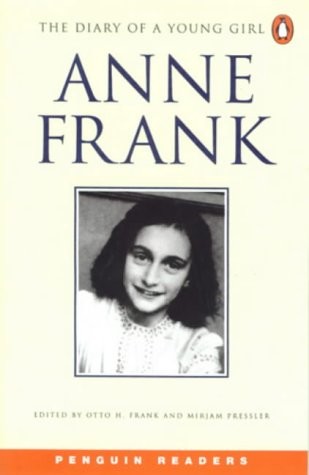
The Diary of a Young Girl
Anne Frank (1947)
“A thirteen-year-old girl hiding from the Nazis wrote the most read diary in human history — and never knew it.”
For Students
Because Anne Frank is not a symbol — she is a person. Fourteen years old, funny, annoying, vain, brilliant, sometimes unfair, often right. Reading the diary carefully means reading someone who is becoming themselves in real time, under conditions designed to destroy her. The diary also teaches what witness literature does that history textbooks cannot: it puts you inside a specific consciousness, in a specific room, on a specific Tuesday afternoon, afraid. You will not forget it.
For Teachers
The diary is one of the most versatile texts in any curriculum. It works for analysis of voice, diction, narrative development, and the evolution of style across a long work. It is essential for Holocaust education and raises genuine ethical questions about editing, memory, and representation that are appropriate for high school and college discussion. The existence of multiple versions — the A, B, and C texts, plus the Definitive Edition — makes it ideal for teaching about how all published writing is shaped by choices made outside the text itself.
Why It Still Matters
The experience of confinement, the performance of a social self that hides the real one, the longing to be known by someone who actually sees you — these are not Holocaust experiences. They are adolescent human experiences that the Holocaust's extremity illuminates more clearly than peacetime ever could. Every student who has felt that the person their parents and teachers see is not quite themselves will recognize Anne Frank. That recognition is the beginning of something important.