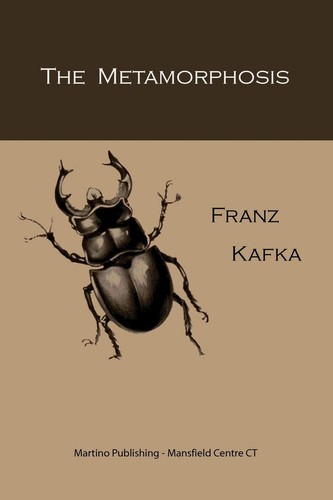
The Metamorphosis
Franz Kafka (1915)
“A man wakes up as a giant insect. His family's horror reveals a truth about being human that no realistic story could: we are only as human as the people around us choose to see us.”
Similar Books
Thematic connections across eras and genres — books that talk to each other.
The Trial
Franz Kafka
Kafka's companion absurdist allegory — where Gregor is erased by family, Josef K. is destroyed by an unnamed legal system. Both protagonists never learn the charges against them and die without understanding why.
The Stranger
Albert Camus
Camus's Meursault is as alienated as Gregor and described in prose of similar flatness — but Meursault refuses meaning actively. Gregor never stops loving his family. The comparison reveals two responses to the absurd: revolt and consent.
Death of a Salesman
Arthur Miller
Both Willy Loman and Gregor Samsa are breadwinners consumed and discarded by their role. Miller makes the social critique explicit; Kafka makes it structural. Read together, they show how realism and absurdism can arrive at the same indictment.
Waiting for Godot
Samuel Beckett
Beckett learned from Kafka: suspension without resolution, the comedy of suffering, the refusal to explain. Where Kafka gives Gregor a rich inner life, Beckett's characters barely have inner lives — both techniques create the same effect of grinding absurdity.
The Nose
Nikolai Gogol
Gogol's 1836 story of a man whose nose detaches and becomes a government official is the first great absurdist bureaucratic satire. Kafka read Gogol carefully. The Metamorphosis is the darker, more psychologically precise descendant.
Never Let Me Go
Kazuo Ishiguro
Ishiguro's clones are raised to accept their own disposability — much as Gregor accepts his. Both texts ask: what does it mean to consent to your own erasure? And both are written in prose of startling emotional understatement that makes the horror land harder.