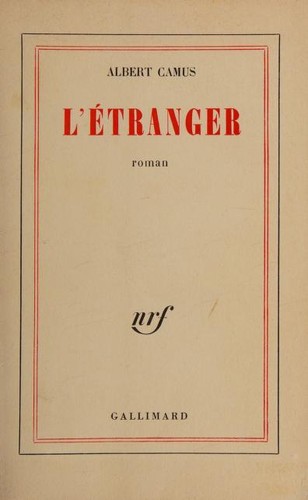
The Stranger
Albert Camus (1942)
“A man kills someone he barely knows, feels nothing, and goes to the guillotine refusing to pretend otherwise — and somehow becomes the most honest person in the room.”
At a Glance
Meursault, a French Algerian clerk, learns his mother has died. He attends her funeral without weeping, begins a relationship with Marie, befriends his neighbor Raymond, and — in a moment of sun-induced stupor on a beach — shoots an unnamed Arab man four times. At trial, the prosecution focuses not on the shooting but on Meursault's failure to cry at his mother's funeral. He is convicted and sentenced to death. In his prison cell awaiting execution, Meursault rejects the prison chaplain, accepts that life is meaningless, and finds a strange peace in the indifferent universe.
Read full summary →Why This Book Matters
Published in Nazi-occupied France in 1942, The Stranger was immediately recognized as something new: a prose style that enacted its philosophy rather than merely arguing it. Camus was 28. The book became the ur-text of postwar existentialism (despite Camus's later rejection of the label) and has sold more than 10 million copies in France alone. It is the most widely read French-language novel globally.
Diction Profile
Deceptively simple — short declarative sentences, direct vocabulary, almost no metaphor or simile. Conceals philosophical depth behind surface transparency.
Extremely low