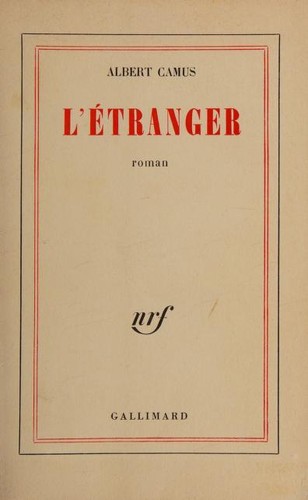
The Stranger
Albert Camus (1942)
“A man kills someone he barely knows, feels nothing, and goes to the guillotine refusing to pretend otherwise — and somehow becomes the most honest person in the room.”
Similar Books
Thematic connections across eras and genres — books that talk to each other.
The Trial
Franz Kafka
Both feature protagonists destroyed by legal systems that never fully reveal their true charges — Josef K. and Meursault are both on trial for their existence, not their actions
Nausea
Jean-Paul Sartre
The companion text to The Stranger in postwar European philosophy — both protagonists experience radical alienation from meaning, but Roquentin is more articulate about his condition
The Meursault Investigation
Kamel Daoud
The definitive response novel — names the murdered Arab 'Musa,' retells the story from his brother's perspective, and indicts The Stranger for its colonial silence
The Great Gatsby
F. Scott Fitzgerald
Both are short, structurally precise modernist novels in which the narrator's relationship to truth is the deepest subject — Meursault cannot lie, Nick cannot stop
Crime and Punishment
Fyodor Dostoevsky
The deliberate structural opposite — Raskolnikov is tormented by guilt, confesses, seeks redemption. Meursault feels none of this. The comparison defines what Camus was rejecting.
Invisible Man
Ralph Ellison
Both novels are about what it means to be unseen by the system that judges you — Ellison's narrator is invisible because of race; Meursault is invisible because the court only sees its construction of him