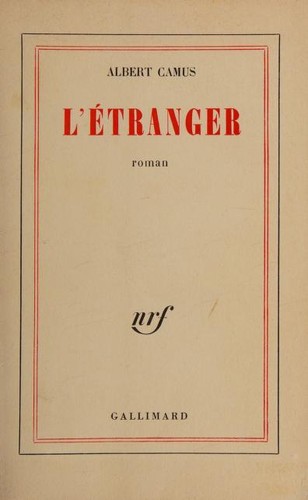
The Stranger
Albert Camus (1942)
“A man kills someone he barely knows, feels nothing, and goes to the guillotine refusing to pretend otherwise — and somehow becomes the most honest person in the room.”
For Students
Because it is 123 pages that will make you question every social performance you've ever given — every time you cried at a funeral because people expected you to, every time you said 'I love you' because it was time to say it. Meursault doesn't do any of that. He goes to the guillotine rather than lie. Whether he's a hero or a sociopath is the question the novel leaves for you to answer. It is the most efficient philosophical education available in a single afternoon.
For Teachers
The Stranger is the best novel for teaching close reading because every word choice is a philosophical choice. The passé composé, the parataxis, the absence of metaphor — all of it is deliberate and analyzable. Students can work at any level: surface (what happens), stylistic (how it's narrated), philosophical (what Camus is arguing), political (the colonial blind spots). The 123 pages contain enough for a semester.
Why It Still Matters
Meursault is the person who won't perform for the algorithm. He won't make the apology video. He won't cry on camera. He won't say the right thing to the audience watching. He tells the truth as he knows it, and the machine kills him for it. In an age of mandatory emotional performance — grief posts, outrage cycles, performative solidarity — Meursault's refusal to perform is either heroic or catastrophic. The novel doesn't decide which. It hands the question to you.