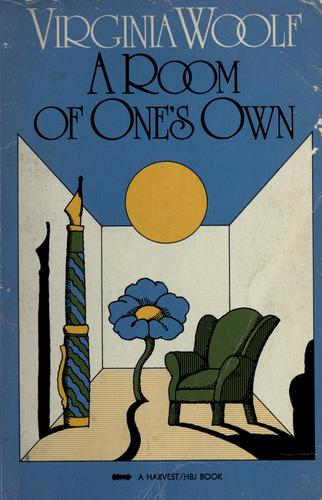
A Room of One's Own
Virginia Woolf (1929)
“A woman needs money and a room of her own to write fiction — but the sentence is only the beginning. Behind it lies four centuries of locked doors, burned manuscripts, invented sisters, and the long material history of why genius requires a bank account.”
At a Glance
Based on two lectures Woolf delivered at Cambridge in 1928, the extended essay argues that women have been systematically denied the material and intellectual conditions necessary for creative work. Woolf traces the absence of women from literary history not to lack of talent but to lack of money, education, and private space. She invents Judith Shakespeare — William's equally gifted sister — to demonstrate what would have happened to a female genius in the sixteenth century: poverty, exploitation, madness, suicide. The essay moves through the British Museum, through Oxbridge colleges, through centuries of male pronouncements about women, arriving at a vision of the androgynous mind as the ideal creative consciousness.
Read full summary →Why This Book Matters
A Room of One's Own is the founding text of modern feminist literary criticism — the work that first systematically connected the material conditions of women's lives to the literature they could and could not produce. Its central arguments — that creative freedom requires economic independence, that literary tradition is shaped by power rather than merit, that the absence of women from the canon reflects social exclusion rather than natural inferiority — have become the foundational assumptions of feminist scholarship across disciplines.
Diction Profile
High vocabulary and complex syntax worn lightly — Woolf maintains the tone of a woman thinking aloud at a lectern, confiding in her audience rather than declaiming to them
Moderate to high