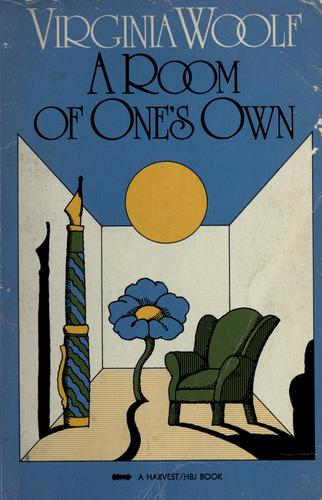
A Room of One's Own
Virginia Woolf (1929)
“A woman needs money and a room of her own to write fiction — but the sentence is only the beginning. Behind it lies four centuries of locked doors, burned manuscripts, invented sisters, and the long material history of why genius requires a bank account.”
Characters in A Room of One's Own
by Virginia Woolf · 1929 · 7 characters analyzed
Cast: The Narrator (Mary Beton), Judith Shakespeare, The Angry Professor, Mary Carmichael, Jane Austen, Charlotte Bronte, Aphra Behn.
Character Analysis
Woolf's composite speaker — 'call me Mary Beton, Mary Seton, Mary Carmichael, or by any name you please.' She is Woolf and she is not Woolf; she is a specific woman walking through Oxbridge and the British Museum, and she is every woman who has been waved off the grass. The fictional persona allows Woolf to be personal without being autobiographical, angry without being combative, and authoritative without deploying the male 'I' she critiques. Mary Beton wanders, digresses, loses her thread, and finds it again — performing the kind of thinking the essay advocates.